Fixed Asset Investment

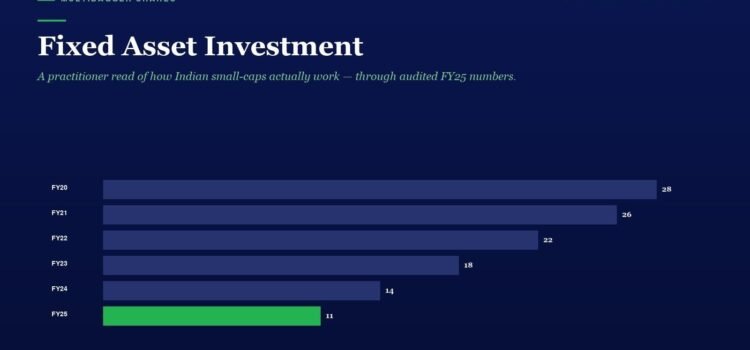
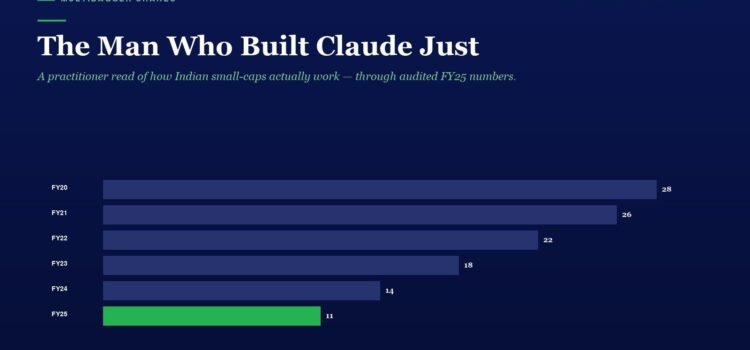
Bar chart titled Fixed Asset Investment showing FY20–FY25 values (28, 26, 22, 18, 14, 11); FY25 bar is green.

When Warren Buffett evaluates a business, one of the first things he examines is how management deploys capital into productive assets. A company that consistently invests in expanding its manufacturing capacity — and then converts that capacity into revenue —

Discounted Cash Flow (DCF) Valuation for Beginners: The Step-by-Step Method Warren Buffett Uses to Calculate the True Worth of Any Stock — How Every Indian Investor Can Master This Timeless Valuation Tool to Find Undervalued Multibaggers in 2026

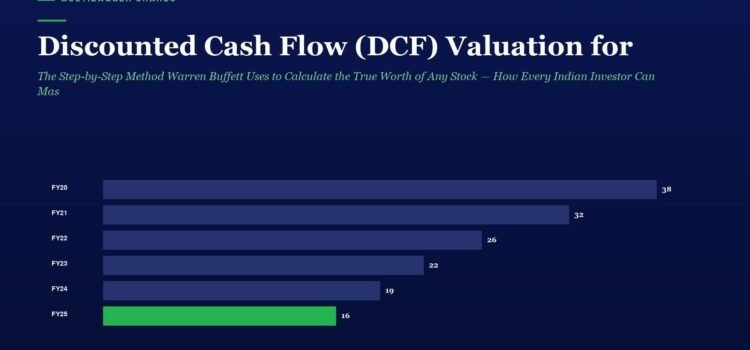
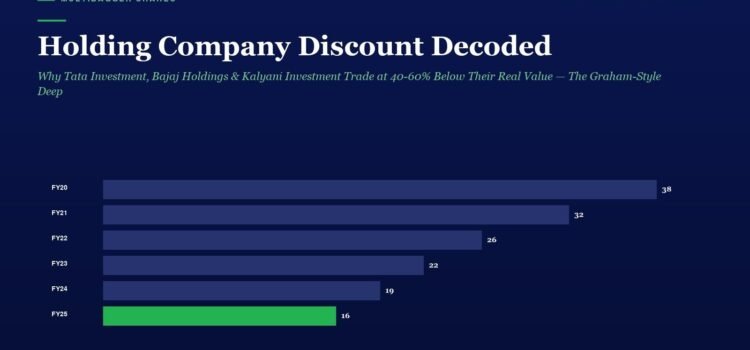
Bar chart of DCF valuation by year (FY20–FY25); FY25 bar is green at 16, while FY20 38, FY21 32, FY22 26, FY23 22, FY24 19.

📅 Published April 12, 2026 (Saturday) Table of Contents Toggle Why Every Serious Investor Must Learn DCF — The Language of Intrinsic Value The Core Philosophy Behind DCF: A Business Is Worth Its Future Cash Building Block #1: Free Cash

The Disposition Effect: Why Indian Investors Sell Their Winners Too Early and Cling to Losers Too Long — The Behavioural Bias That Quietly Destroys Wealth on Dalal Street and the Complete Value Investor’s Antidote for 2026

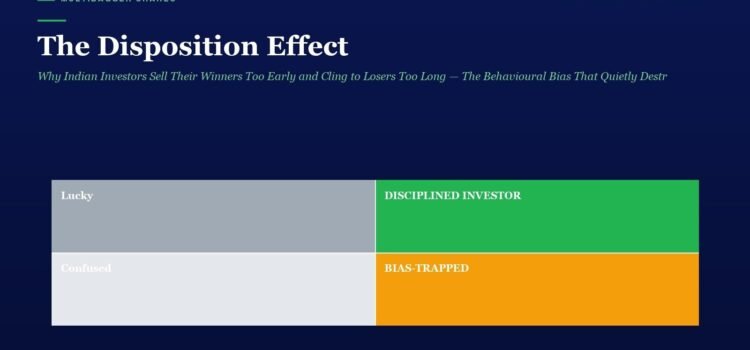
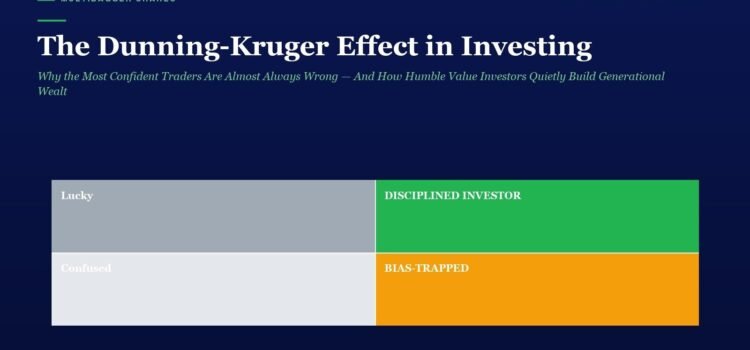
Infographic showing four labeled boxes: Lucky (gray, top-left), Confused (light gray, bottom-left), Disciplined Investor (green, top-right), Bias-Trapped (orange, bottom-right) on a dark blue background with the title 'The Disposition Effect' above.

📅 Published April 11, 2026 (Saturday) Table of Contents Toggle Why Do Indian Investors Cling to Their Worst Stocks and Dump Their Best Ones? What Exactly Is the Disposition Effect? The Psychology Behind the Trap Why the Disposition Effect Is

Mohnish Pabrai’s Dhandho Investor Framework: The 9 Principles That Built a $1 Billion Fund with ‘Heads I Win, Tails I Don’t Lose Much’ — How Every Indian Value Investor Can Apply This Gujarati-Rooted Low-Risk Playbook to Find Multibagger Opportunities on the BSE and NSE in 2026

Bold headline: Mohnish Pabrai’s Dhandho Investor Framework with a subtitle about principles of value investing; dark blue hero background with green accent lines and a color-block grid below showing four labels: Trader, Compounder, Drift, Speculator.

📅 Published April 11, 2026 (Saturday) Table of Contents Toggle Why Mohnish Pabrai Matters for Every Indian Value Investor Principle 1: Invest in Existing Businesses, Not Startups Principle 2: Invest in Simple Businesses Principle 3: Invest in Distressed Businesses in

The Kelly Criterion: The Mathematical Formula That Tells Indian Value Investors Exactly How Much Capital to Allocate to Each Multibagger Conviction — How Edward Thorp, Warren Buffett, and Charlie Munger Use This Bet-Sizing Secret to Compound Wealth Faster Than Anyone Else

Hero header with 'The Kelly Criterion' and subtitle on dark blue; below is a two-row color grid labeled Trader, Compounder, Drift, Speculator.

📅 Published April 11, 2026 (Saturday) Table of Contents Toggle Why Most Indian Investors Are Sizing Their Bets Completely Wrong The Origin Story: From Bell Labs to Las Vegas to Wall Street Why Buffett’s Biggest Bets Were Pure Kelly Logic

The Cannibals Strategy: Why Indian Companies That Aggressively Buy Back Their Own Shares Are About to Become the Hottest Wealth Creators of 2026 — How Smart Value Investors Can Profit From SEBI’s New Buyback Tax Regime Before the Crowd Wakes Up

Hero banner for 'The Cannibals Strategy' with subtitle and a colorful donut chart logo 'FY25 Reinvented' centered on dark blue.

📅 Published April 11, 2026 (Saturday) Table of Contents Toggle The Cannibals Are Coming Back — And Indian Value Investors Need to Pay Attention Right Now What Is the Cannibals Strategy? A 60-Second Definition Why Buybacks Beat Dividends — The

Sum-of-the-Parts Valuation: How Smart Indian Value Investors Unlock Hidden Value in Conglomerates Like ITC, Reliance, and Grasim — The Underused Valuation Method That Reveals True Worth When P/E Ratios Lie and Market Caps Mislead

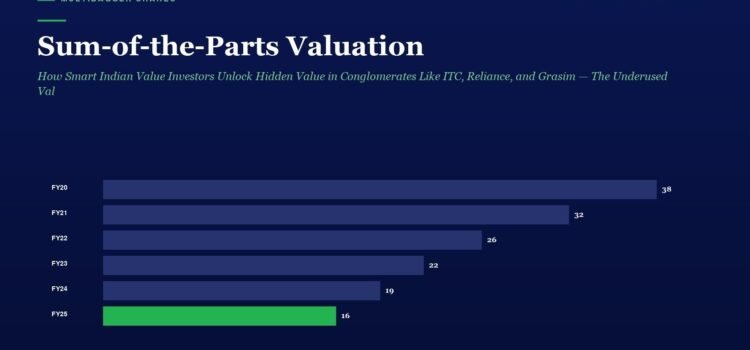
Horizontal bar chart of sum-of-the-parts valuation by fiscal year (FY20–FY25); values range from 38 to 16, with FY25 shown in green.

📅 Published April 10, 2026 (Friday) Table of Contents Toggle The ₹80,000 Crore Hidden in Plain Sight Today’s Market Context: Why SOTP Matters Right Now What Is Sum-of-the-Parts Valuation? The 5-Step SOTP Process Every Indian Investor Must Know The Indian

Bajaj Finance Transformation: The ₹10,000 That Became ₹3.23 Lakh — How Rajeev Jain’s 8 Strategic Pivots Turned a Sleepy Two-Wheeler Lender Into India’s Most Valuable NBFC and the Permanent Value Investing Lessons Every Indian Investor Must Learn Before Their Next Multibagger Hunt

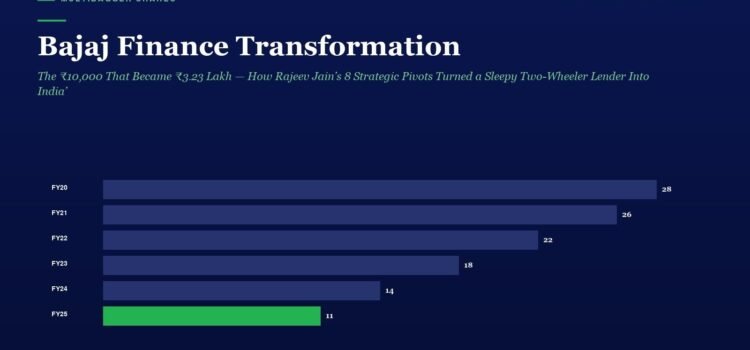
Infographic bar chart titled 'Bajaj Finance Transformation' showing yearly values from FY20 to FY25; bars decrease from 28 in FY20 to 11 in FY25 (FY25 bar in green).

📅 Published April 10, 2026 (Friday) Table of Contents Toggle The ₹10,000 That Became ₹3.23 Lakh: Why Bajaj Finance Is the Greatest NBFC Wealth Creation Story in Indian History The Starting Point: A Forgotten Two-Wheeler Lender (1987–2007) The Inflection Point:

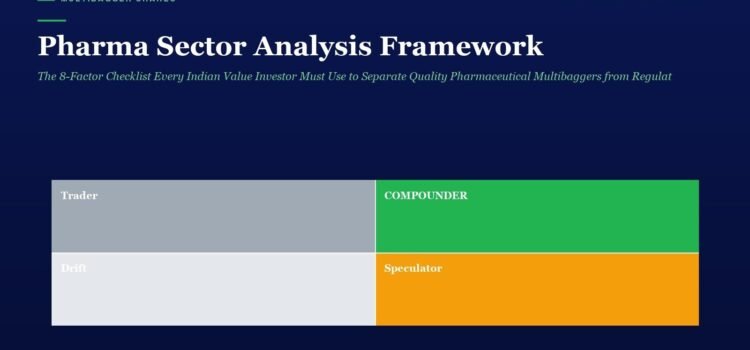
Pharma Sector Analysis Framework: The 8-Factor Checklist Every Indian Value Investor Must Use to Separate Quality Pharmaceutical Multibaggers from Regulatory Time Bombs — A Complete Guide to India’s Most Lucrative and Most Complex Sector

Pharma Sector Analysis Framework hero with a 2x2 color grid: Trader, Compounder, Drift, Speculator on a dark blue background.

📅 Published April 10, 2026 (Friday) Table of Contents Toggle Why Pharma Is the Most Misunderstood Sector in Indian Value Investing The 8-Factor Pharma Sector Analysis Framework Factor 1: Business Model Classification — Know Exactly What You Are Buying Factor