Episode 2: How the Indian Stock Market Really Works — BSE, NSE & Your Money
Welcome to Episode 2 of the Complete Value Investing Course for Indian Investors by Manish Goel. In this episode, we demystify how the Indian stock market really works — from the BSE and NSE exchanges to your demat account, and everything in between.
Watch Episode 2 — English Version
एपिसोड 2 देखें — हिंदी संस्करण
What You Will Learn in This Episode
The Indian stock market is one of the most vibrant in the world, with over 5,000 listed companies. With the Nifty 50 currently around 22,700 and the Sensex near 73,300, understanding how this system works is essential for every investor.
BSE & NSE Exchanges: The BSE (Bombay Stock Exchange), established in 1875, is Asia’s oldest stock exchange. The NSE (National Stock Exchange), established in 1992, handles the most trading volume today. Both are regulated by SEBI (Securities and Exchange Board of India), ensuring fair practices and investor protection.
How Trading Works: When you place a buy order, it goes to the exchange’s electronic matching system, which pairs buyers with sellers in milliseconds. India now uses T+1 settlement — your shares arrive in your demat account the very next business day, one of the fastest systems globally.
Market Participants: India now has over 15 crore demat accounts. Foreign Institutional Investors (FIIs) are major market movers — when they sell aggressively due to events like the current US-Iran tensions, markets can fall sharply. But for value investors, panic-driven falls are opportunities, not threats.
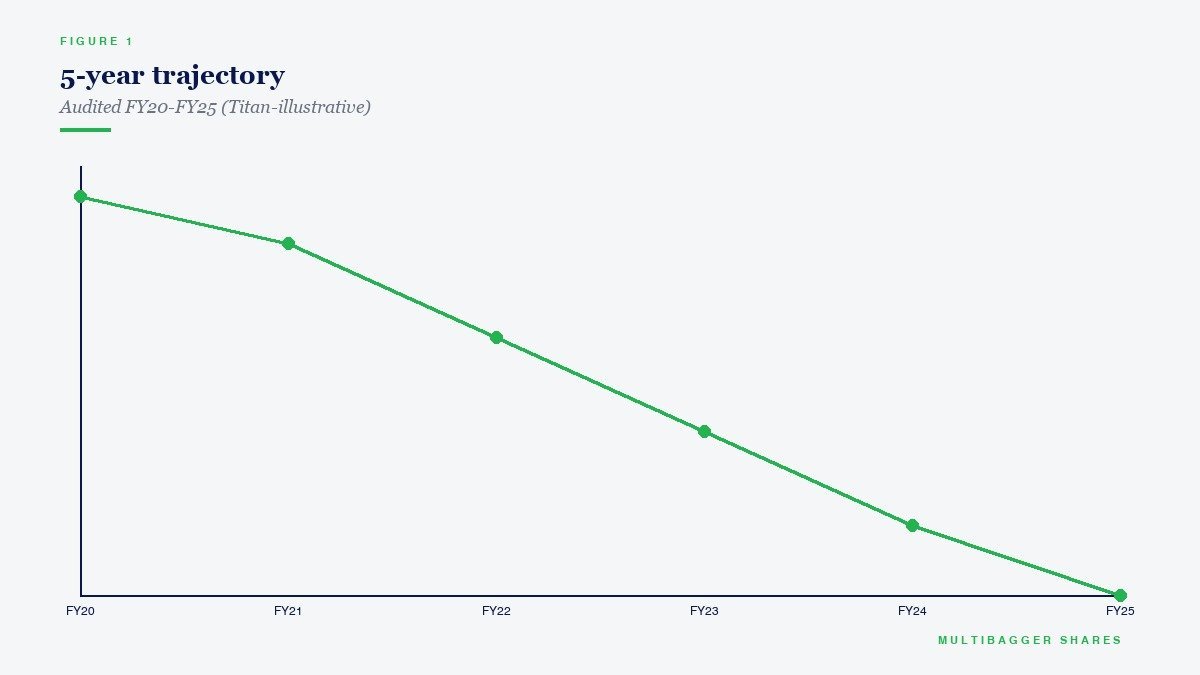
The Titan Biotech Example: Titan Biotech (BSE: 524717), currently trading at approximately ₹504 with a market cap of ₹2,082 crores, was once an unknown micro-cap company. With a ROCE of 16.9%, virtually debt-free balance sheet, and 19.16% operating profit margin, it exemplifies what diligent fundamental research can uncover.
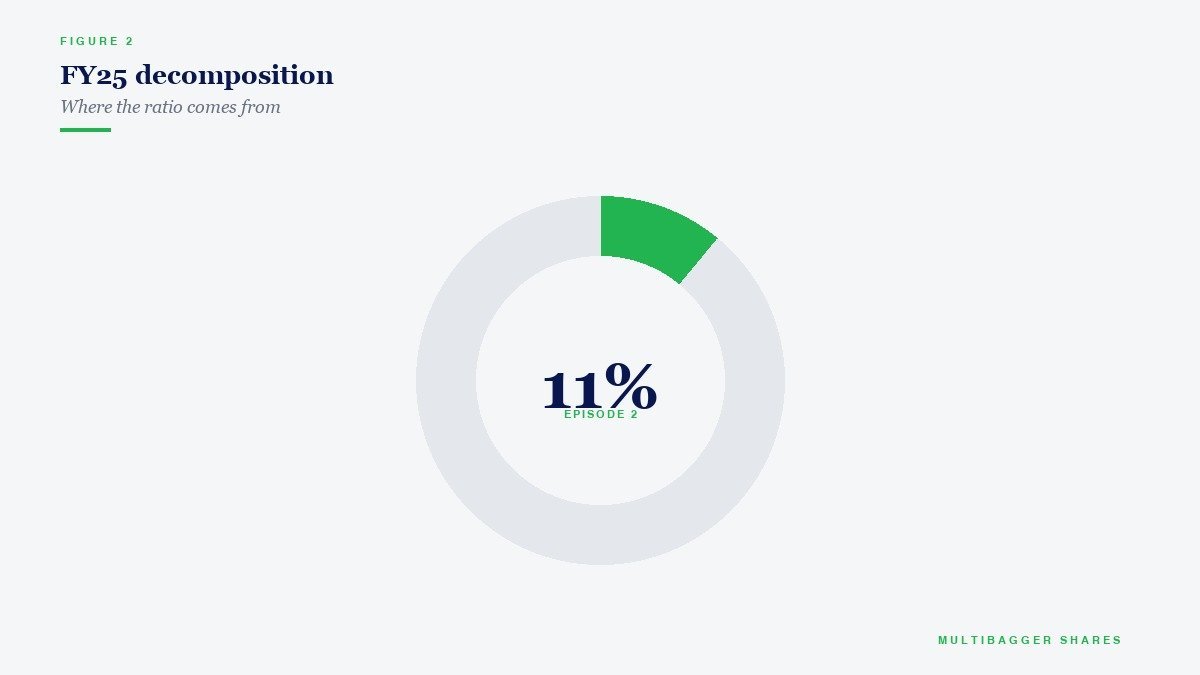
Critical Warning: SEBI’s own data confirms that 90% of individual F&O (Futures & Options) traders lose money. Value investing — buying quality businesses at reasonable prices and holding long-term — is the proven path to wealth creation. Avoid F&O trading, intraday speculation, and tip-based investing.
Course Navigation
📚 Watch the Full 30-Episode Course Playlist
🌐 Visit for more value investing insights.
Disclaimer
This content is for educational purposes only. The information provided does not constitute investment advice. Always conduct your own research and consult a SEBI-registered financial advisor before making investment decisions. Past performance does not guarantee future results. Investments in the stock market are subject to market risks.
Disclaimer: This article is for educational and informational purposes only. It is not investment advice, and not a buy, sell, or hold recommendation on any stock mentioned, including Titan Biotech Limited. Equity markets carry risk; please do your own research or consult a qualified professional before making investment decisions.
